Materials play an important role in creating an interior environment. The materials that you choose to use have a large impact on the atmospheric conditions of the space. Different textures and colours portray different emotions and getting the right balance is very important. It all depends of the aesthetic that you are trying to achieve and the mood you want to create.
Being a bathhouse, there are also some extra factors to consider. For example the texture of the floor can’t be too polished as this will cause people to slip a more rough textured surface would be more suited.
I decided to go with a nice clean and simple aesthetic utilising concrete and wood. I will go into further detail regards the specific materials I intend to use.

Above is a mood-board/colour pallet that we were asked to make in studio. It allows one to get a brief idea into the type of style you’re going for. As you can see the colour pallet is quite neutral and somewhat organic.
I am a big fan of polished exposed aggregate concrete. The photo included in the mood-board is the standard, and is very commonly used. The other day I was visiting Newmarket mall and I came across this unique shop fit-out.


This was a new style of exposed aggregate that I haven’t seen before and this opened my mind up to the possibility of there being further variation. So I decided to do some digging and took road trip to The Tile People a tile and stone shop based in Parnell.


I instantly was drawn to this sample. It’s a large mixed chip exposed LMC, so I don’t think that it is concrete but an artificial substitute. However I really enjoyed the colour that this surface had. I feel as if it would create a brighter, happier environment.
I also wanted to include some sort of timber in my design as I am thinking that I will create an artificial treetop canopy, and in keeping with the Te Aranga Design principles I would like this would to be sourced locally. I did some research into New Zealand native timber and came to the conclusion of using Tawa Timber.
Botanical name: Beilschmiedia tawa
Other common names: Tawa
Strength: Tawa is a high density, very strong timber.
Durability: Both the heartwood and sapwood are non-durable.
Finishes: Tawa can be stained and polished readily.

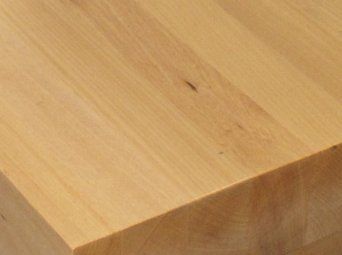
Tawa has a similar aesthetic than that of Pine but can be sustainable sourced from local providers
“All New Zealand indigenous timbers are now sourced from privately owned forests. These forests are required to be managed to exacting standards under detailed long term Sustainable Management Plans.” http://www.nzwood.co.nz/forestry-2/tawa/

 AUT SPATIAL DESIGN